
Equitable Medicaid and Clinical Research (EMCR) organised a webinar on September 30, 2024, to raise awareness about preventing sexual exploitation and abuse (SEA) in humanitarian work and the responsibility of organisations and aid workers to protect vulnerable people.
The virtual event, held via Zoom, brought together speakers from different professional backgrounds to discuss the importance of safeguarding women, children, displaced persons, and other vulnerable populations who depend on humanitarian assistance.
The webinar featured Hon. Abiodun, Dr. Sa’adatu, Miss Ramatu, and Barr. Oluchi as speakers, with Sani Emmanuel serving as the moderator.
Sexual exploitation and abuse remain serious concerns in humanitarian settings, where people experiencing poverty, displacement, conflict, or emergencies may be exposed to abuse by individuals entrusted with providing assistance.
For people who depend on humanitarian support, reporting abuse can be difficult. Fear of losing assistance, stigma, threats, and limited access to reporting channels can prevent survivors from speaking out.
The webinar provided an opportunity to draw attention to these concerns and encourage humanitarian organisations to maintain safe environments where people can seek assistance without fear of exploitation, harassment, or abuse.
At EMCR, we believe that humanitarian assistance should protect human dignity. No woman, child, or vulnerable person should have to endure sexual exploitation or abuse in exchange for food, healthcare, shelter, education, or any other form of assistance.
Preventing abuse requires accountability, safe reporting systems, respect for survivors, and a shared responsibility among everyone involved in humanitarian service.
Listen to the Webinar Audio
For those who could not attend the live session, an audio recording of the webinar is attached to this article.
We encourage humanitarian workers, nonprofit organisations, volunteers, healthcare professionals, students, and members of the public to listen to the discussion and learn more about preventing sexual exploitation and abuse in humanitarian settings.
The recording provides an opportunity to revisit this important subject and reflect on the responsibility we all share in protecting people who turn to humanitarian organisations for help.
We invite you to listen to the attached audio and share this article with others working in humanitarian assistance and community service.
Related
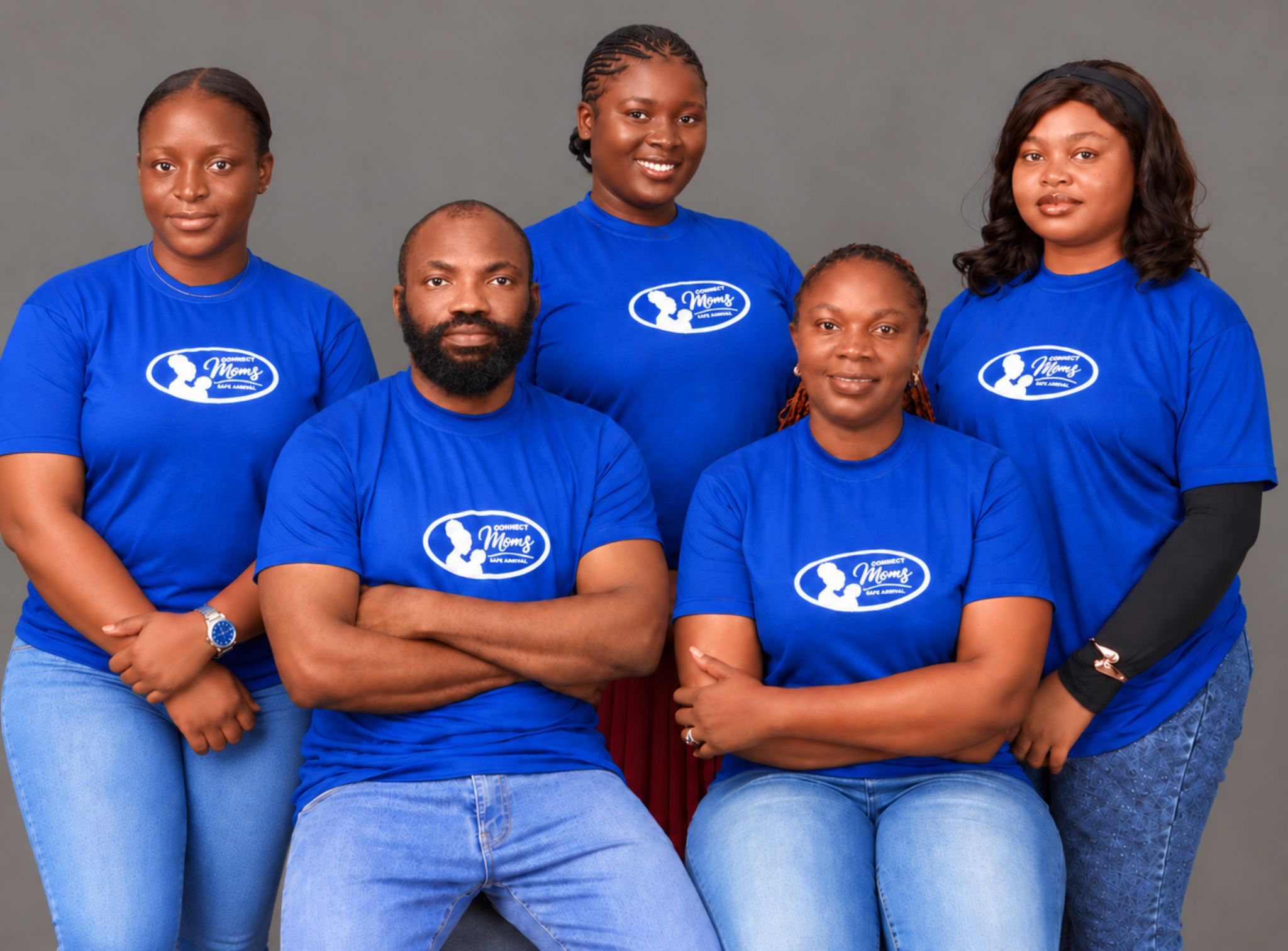
Equitable Medicaid and Clinical Research Officially Launches Correct Moms, an AI-Powered Maternal Health Platform
 Watch video:
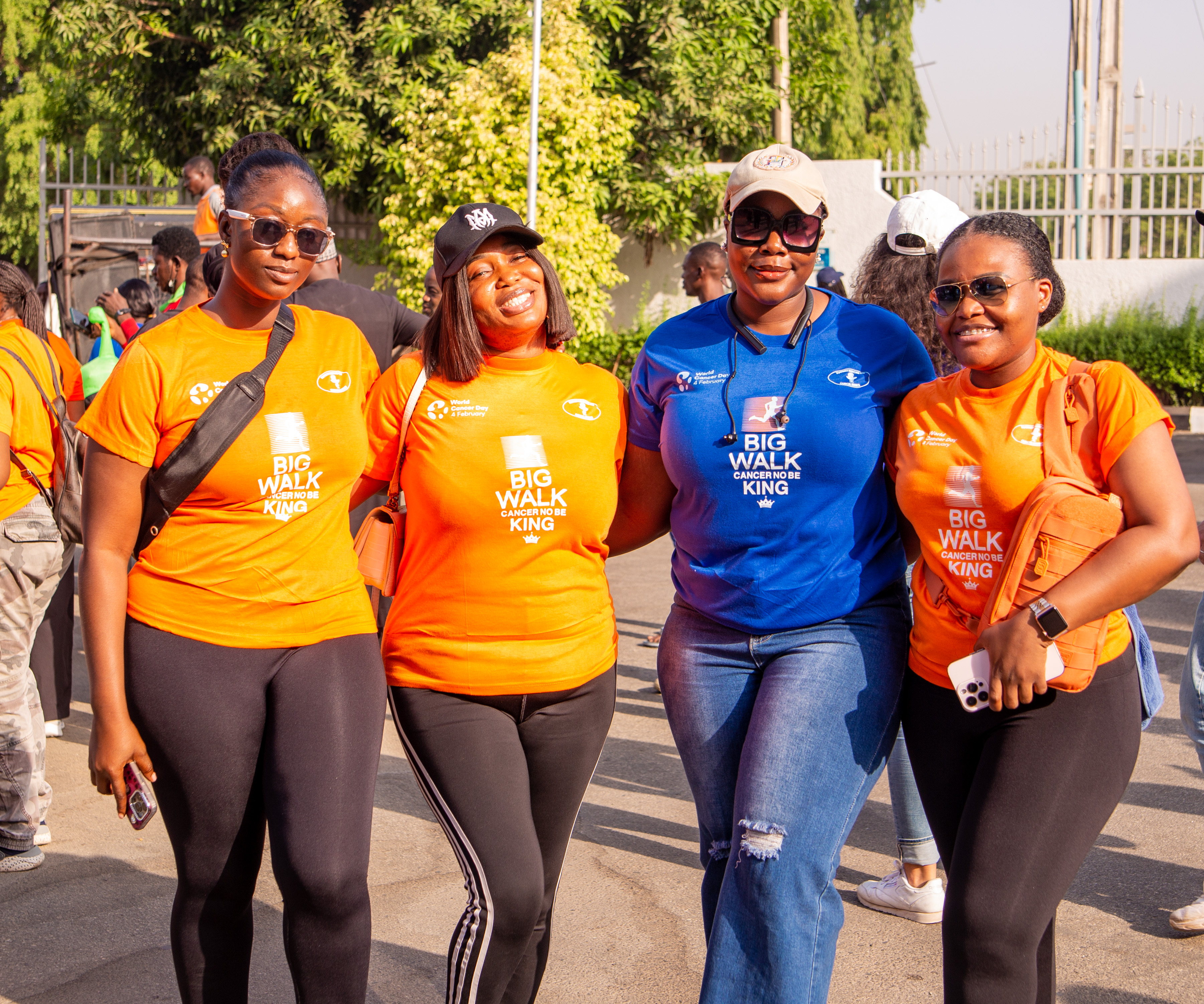
Join The Big Walk for World Cancer Day: Cancer No Be King!