Disease outbreak尼日利亚
Ebola
Published October 20, 2026
Overview
Outbreak in numbers
Case and death totals for Nigeria, with a breakdown by reporting month.
Confirmed cases
1
Overall reported total
Confirmed deaths
0
Overall reported total
Source: World Health Organization
igeria has confirmed its first case of Ebola virus disease in 2026, raising public health concerns as authorities intensify surveillance, contact tracing and infection prevention measures to stop the disease from spreading.
The Federal Ministry of Health and Social Welfare officially announced the infection on 20 October 2026, following laboratory confirmation of the Bundibugyo strain of Ebola in a woman who recently arrived in Nigeria from Uganda.
According to the World Health Organization (WHO), the patient developed symptoms on 7 October, four days after arriving in Nigeria. She sought medical attention at a private healthcare facility in Abuja on 11 October, where she received treatment before laboratory investigations confirmed the infection.
The woman was subsequently placed in isolation and was receiving medical care at the time of the official announcement.
Nigeria has become the fifth country to detect the Bundibugyo virus since the outbreak was declared in the Democratic Republic of the Congo on 15 May 2026.
In its latest Disease Outbreak News report, published on 23 October, WHO confirmed that Nigeria had recorded one laboratory-confirmed case, with no Ebola-related deaths reported in the country.
Health authorities have identified 44 people who may have been exposed to the infected patient, including healthcare workers, other patients, caregivers and travel contacts.
These individuals are being monitored for symptoms while investigations continue to establish the source of infection and determine whether other people may have been exposed.
The Nigeria Centre for Disease Control and Prevention (NCDC) has activated its incident management system to coordinate the national response.
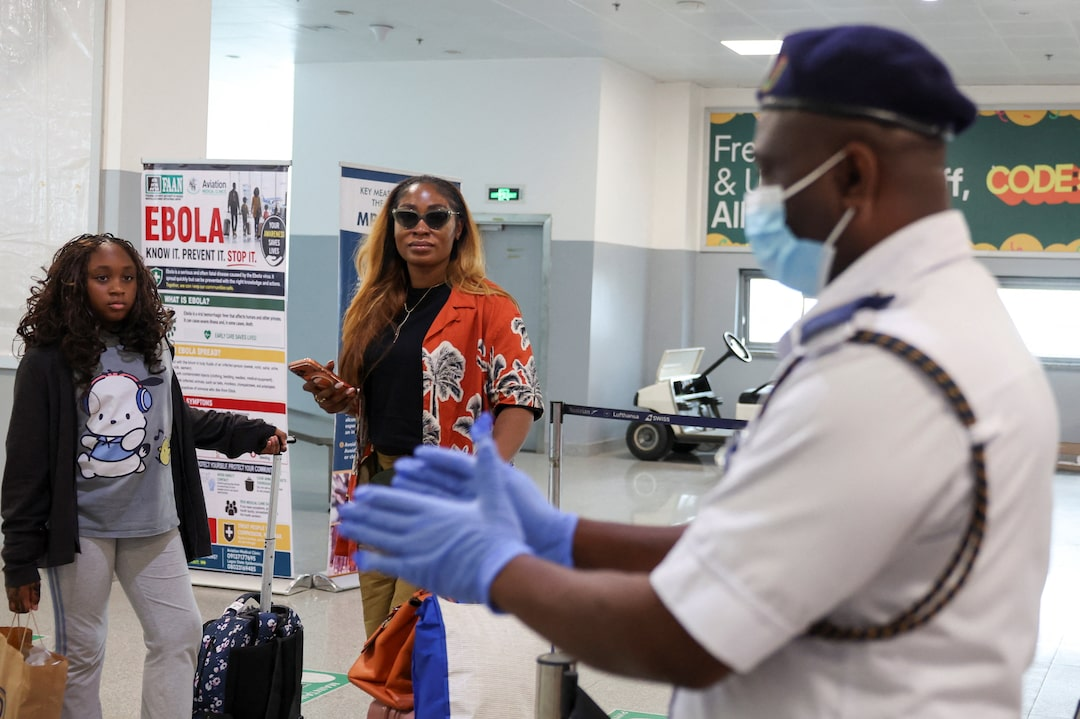
Public and private healthcare facilities have been directed to maintain heightened surveillance, identify suspected cases promptly and report possible infections to the appropriate health authorities.
WHO and other health partners are supporting Nigeria with contact tracing, laboratory investigations, protective equipment and infection prevention measures.
The outbreak comes amid continued Ebola transmission in other African countries.
According to WHO figures published on 23 October 2026, the Democratic Republic of the Congo had recorded 9,704 confirmed cases and 4,687 deaths as of 20 October. Kenya had also reported nine cases and one death.
These figures are separate from Nigeria's reported infections and fatalities.
Ebola spreads through direct contact with the blood or bodily fluids of an infected person who has developed symptoms, or through contact with contaminated materials. It does not spread through ordinary airborne transmission like measles.
Early symptoms include fever, headache, muscle pain, fatigue and sore throat. As the disease progresses, patients may develop vomiting, diarrhoea, organ complications and, in some cases, bleeding.
WHO has warned that there is currently no approved vaccine or specific treatment for the Bundibugyo strain. Early detection, isolation and supportive medical care can improve patients' chances of survival.
Members of the public are advised to avoid direct contact with the bodily fluids of suspected Ebola patients, practise proper hand hygiene and seek immediate medical guidance following possible exposure.
Anyone who suspects exposure can contact the NCDC through its toll-free number, 6232, for guidance.
Although only one case has been confirmed in Nigeria, the outbreak serves as a reminder of the need for early detection, public awareness and timely medical intervention to prevent further infections and deaths.