info@emecr.org

Courriel

0806-2491-386

Téléphone

Fellowship Programs

The Equitable Medicaid and Clinical Research Fellowship Program aims to cultivate a cohort of visionary leaders and change-makers in the African healthcare sector. Through this program, we seek to empower individuals who are committed to addressing the country’s healthcare challenges and improving the well-being of its citizens.

Objectives

Quick Support

Need quick support about this fellowship? Chat with us on WhatsApp for an immediate response

Mechimo & Theresa Fellowship in Maternal Health

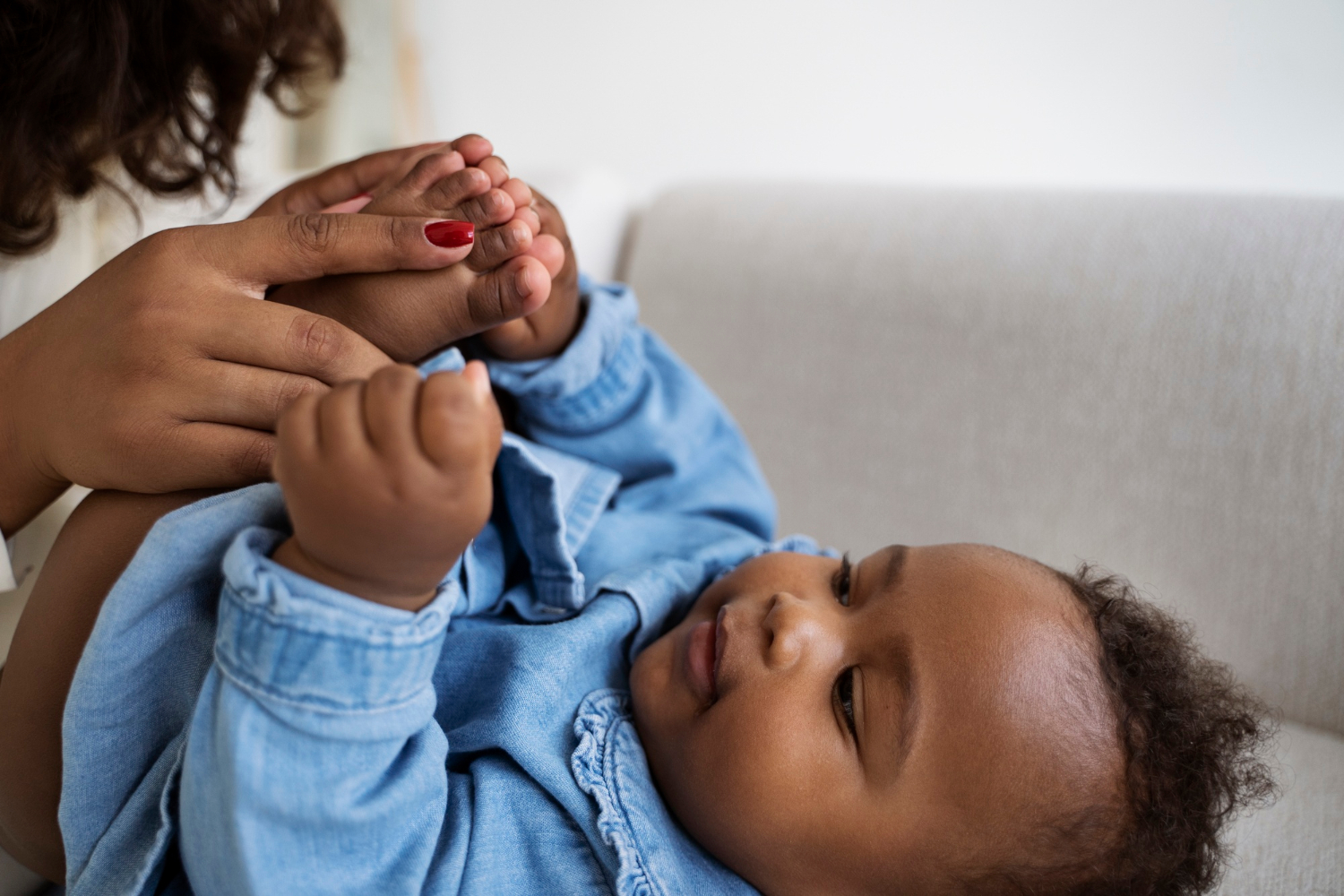
La bourse Mechimo Josephine and Theresa Fellowship in Maternal Health vise à améliorer les résultats en matière de santé maternelle et infantile. Cette bourse est essentielle pour réduire les taux de mortalité maternelle et infantile et garantir des grossesses et des accouchements sûrs.

Charles Saleh Etubi Fellowship in Health Education

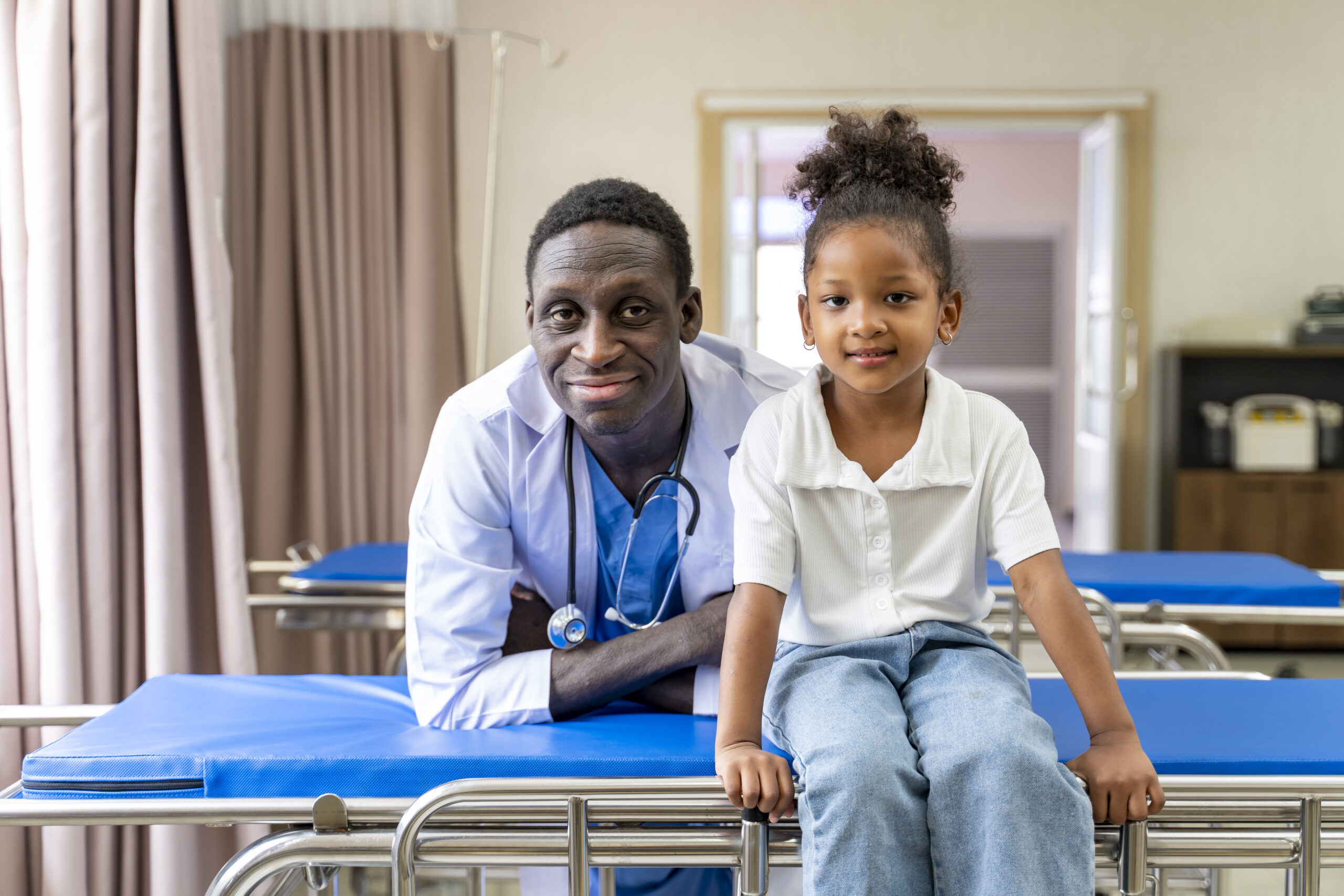
La bourse Charles Saleh E. Fellowship in Health Education (bourse Charles Saleh E. pour l'éducation à la santé) vise à promouvoir la connaissance et l'éducation à la santé. Cette bourse est essentielle pour permettre aux individus et aux communautés de prendre en charge leur santé et de prendre des décisions en connaissance de cause.

Questions fréquemment posées

Equitable Medicaid and Clinical Research is a woman-led, non-profit organization focused on improving access to healthcare for people who face financial, social, or geographic barriers to care. Our work places strong focus on rural and underserved communities, where access to basic medical services and participation in clinical research are limited. We work to close gaps in care by supporting primary healthcare delivery and conducting clinical studies that contribute to safer and more effective treatments.

Equitable Medicaid and Clinical Research was founded by Joy Ojochogwu Etubi, with Ugbede-Ojo Dominic Kadiri as the Co-founder. The organization was created in response to visible gaps in healthcare access faced by low-income families and rural communities. Both founders have worked with communities where people struggle to receive timely medical care due to cost, distance, and limited health facilities.

The idea to establish the organization grew from repeated encounters with preventable illness, late diagnosis, and limited participation of underserved populations in medical research. These experiences showed the need for a structured organization that could support access to primary healthcare while also promoting ethical clinical research that reflects the needs of communities that are too frequently left out of health systems.

The organization operates mainly in Nigeria, with a strong focus on rural and underserved communities. Activities are carried out in locations where access to healthcare services is limited and where health outcomes are affected by financial and geographic barriers. Some projects may have broader relevance beyond specific locations, depending on funding and program design. All activities are planned with attention to local conditions, available resources, and community priorities to support effective implementation.

Our work spans a wide range of health and humanitarian areas. These include primary clinical research; maternal and child health; tuberculosis and drug-resistant tuberculosis (DR-TB); training and capacity building; sexual and reproductive health; cancer care and prevention; laboratory services; neglected tropical diseases; health supply chain management; mental health; malaria control; health system financing; sexual and gender-based violence; emergency response and disaster relief; food security and nutrition; and migration and displacement, among others.

Each program area is designed to respond to identified health needs within underserved populations, with attention to access, ethics, and quality of care. Activities vary by location and available resources, and programs may run independently or alongside other health services to support continuity of care.

For a full and up-to-date list of our program areas, please click here: https://emecr.org/program-areas/

Funding comes from donations, grants, and support from individuals and institutions. These funds support healthcare activities, research projects, community education, and operational costs linked to program delivery. Funding availability determines the scale and duration of projects.

2026/2027 Fellows

Building Leaders for Equitable Healthcare in Africa

Olufunmilayo Olumide

Olufunmilayo Olumide

Nigéria

Leila Chaouni

Leila Chaouni

Maroc

Kwesi Mensah

Kwesi Mensah

Ghana

Ademola Adebayo

Ademola Adebayo

Nigéria

Lungile Ngcobo

Lungile Ngcobo

Afrique du Sud

Landry Nkollo

Landry Nkollo

Cameroun

Nalongo Ssekamatte

Nalongo Ssekamatte

Ouganda

Akiny Odhiambo

Akiny Odhiambo

Kenya

Suivez-nous